
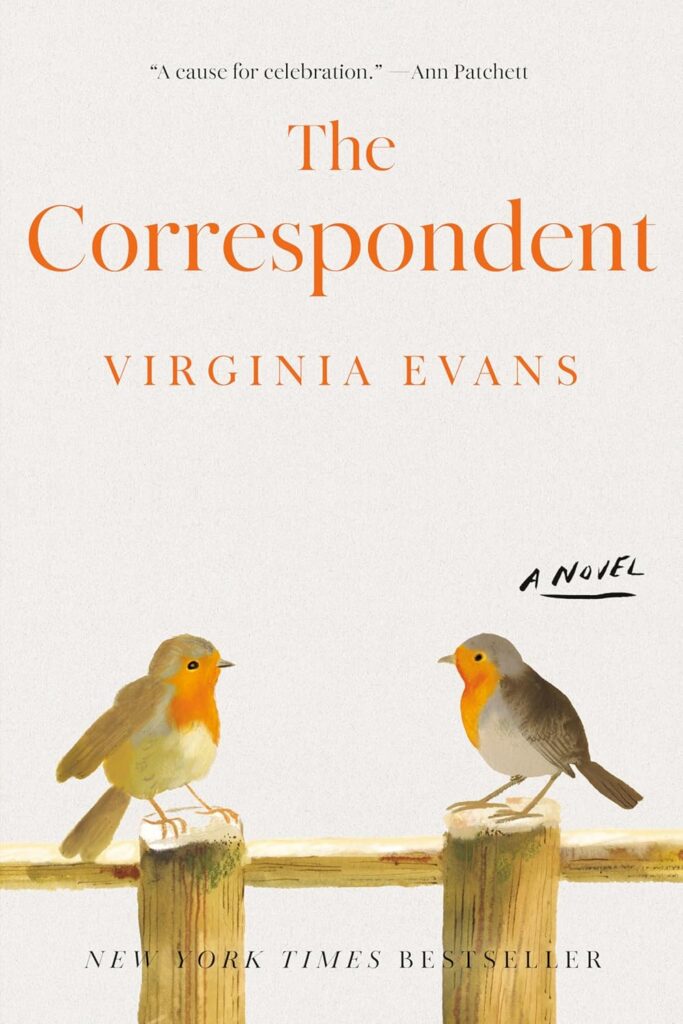
The Correspondent
Also available on: Kindle, Audible
Synopsis
A lifetime’s worth of letters combine to portray a singular character.
Sybil Van Antwerp, a cantankerous but exceedingly well-mannered septuagenarian, is the correspondent in question in Evans’ debut novel. Sybil has retired from a beloved job as chief clerk to a judge with whom she had previously been in private legal practice. She is the divorced mother of two living adult children and one son who died when he was 8. She is a reader of novels, a gardener, and a keen observer of human nature. But the most distinguishing thing about Sybil is her lifelong practice of letter writing—she’s written letters to everyone: friends, family, colleagues, acquaintances, even people she barely knows.
Letters take the place of personal contact and engagement in Sybil’s carefully constructed life. She prefers the control and distance that written correspondence provides. She can edit, revise, present the exact version of herself she wants. She avoids phone calls and in-person visits whenever possible. As advancing vision problems threaten Sybil’s way of life—she’s losing her eyesight, making letter writing increasingly difficult—she must reckon with unaddressed issues from her past that threaten the house of cards (letters, really) she has built around herself.
The novel unfolds through Sybil’s letters spanning decades, revealing her personality, choices, relationships, regrets, and the truths she’s avoided through careful epistolary distance. We see her wit, her judgment, her kindness, her cruelty, her love, her fear—all through the letters she’s sent and the responses (or lack thereof) she’s received. Who was her son who died? What happened to her marriage? Why does she keep everyone at arm’s length? What has she been running from all these years?
The Plot/Key Appeal: Epistolary novel—entirely told through letters. Virginia Evans’ debut. Form matches function perfectly: Sybil’s life IS letters, so her story unfolds through them. Readers piece together Sybil’s history from fragments, revelations, what’s said and unsaid. She’s prickly, difficult, judgmental, yet fascinating and ultimately sympathetic. The voice work is exceptional—each letter captures Sybil’s precise, well-mannered, slightly acerbic tone.
Explores: loneliness, grief (dead child), failed marriage, aging, vision loss, how we construct identity through communication, what we reveal vs. hide, the cost of keeping people at distance. Literary fiction focused on character over plot. Quiet, intimate, emotionally complex. Kirkus called it “affecting portrait of a prickly woman.”
For readers who love: epistolary novels, character studies, literary fiction, explorations of loneliness and grief, aging protagonists, books about books/writing/correspondence.
Why It’s Trending:
- Published February 3, 2026 (yesterday).
- Debut novel.
- Kirkus Reviews praised.
For fans of: Olive Kitteridge, Eleanor Oliphant Is Completely Fine, less sentimental character-driven literary fiction.
Perfect book club pick: lots to discuss about Sybil’s choices, letters vs. modern communication, why she isolated herself, grief and parenting, how we connect (or don’t). Quiet, slow-paced but rewarding for patient readers who love character depth and beautiful prose. Not for everyone—some may find Sybil too prickly or epistolary format challenging. But for right reader, this is treasure: intimate, moving portrait of complicated woman reckoning with her life.